
Dementia care
Caring for Someone With Dementia at Home: A Southern California Caregiver's Guide
Last reviewed July 28, 2026
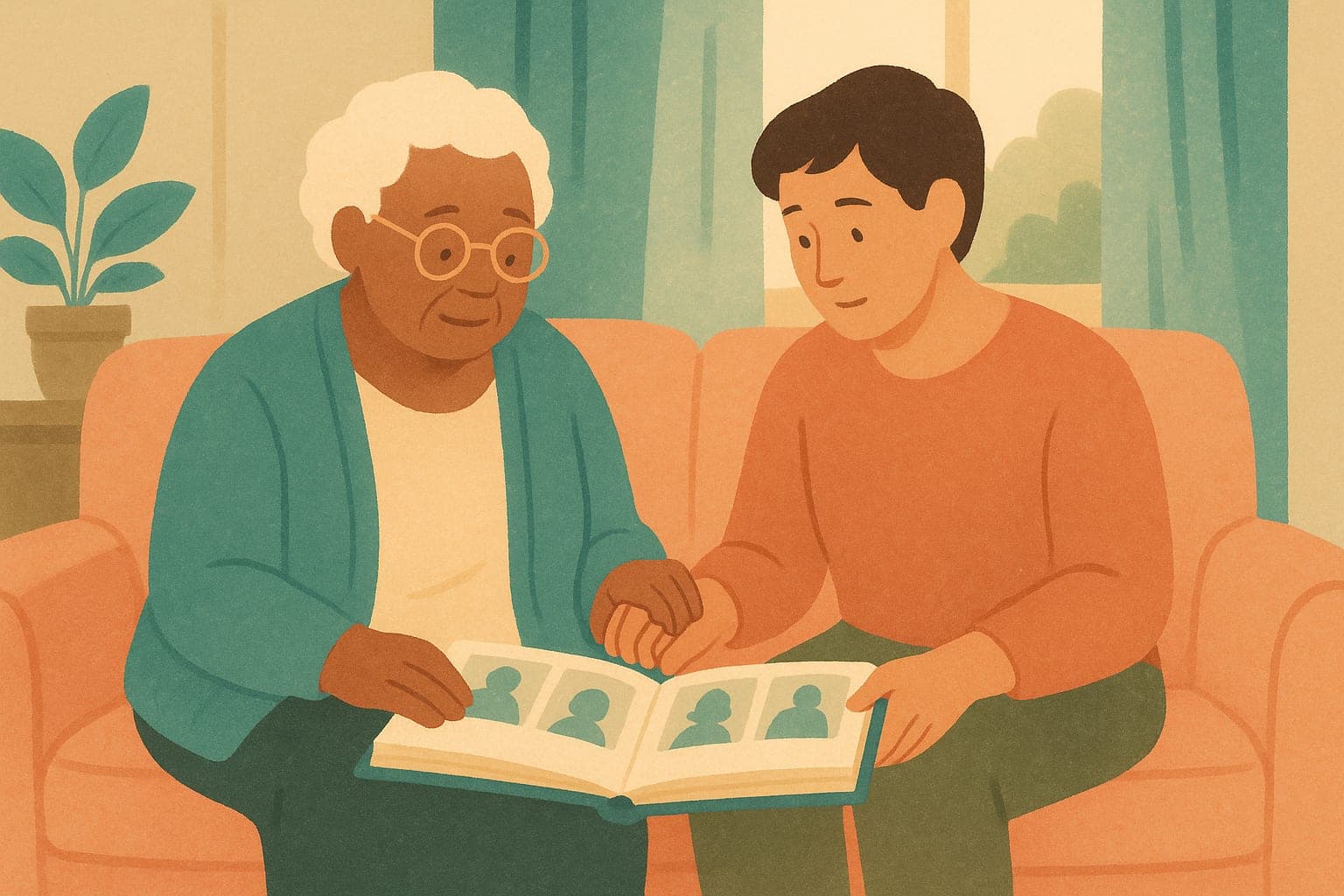
Caring for someone with dementia at home means adjusting as the disease moves through early, middle, and late stages. Focus on daily routines, home safety, calm communication, and your own rest. Medicare's free GUIDE program offers a care navigator, a 24/7 support line, and respite so families are not alone.
Key points
- Dementia care needs grow over time through three stages (early, middle, late), so plan ahead while your loved one can still take part in decisions.
- Small changes at home, like removing trip hazards, locking away medicines, and keeping a steady daily routine, prevent many injuries and reduce confusion.
- Medicare's free GUIDE program gives eligible families a dementia care navigator, a 24/7 support line, caregiver training, and up to $2,500 a year for respite care.
- Protect your own health: caregiver burnout is real, and using respite, support groups, and California's Caregiver Resource Centers helps you keep going.
What Changes Should You Expect as Dementia Progresses?
Alzheimer's and most other dementias get worse slowly over time. Doctors describe three broad stages: early (mild), middle (moderate), and late (severe). Everyone is different, and stages often blend together. On average, people live 4 to 8 years after an Alzheimer's diagnosis, though some live 20 years.
Knowing what usually comes next helps you plan calmly instead of reacting to every crisis. Here is a simple picture of each stage.
- Early stage: Your loved one is mostly independent. They may repeat questions, misplace things, or struggle to find words. This is the best time to handle legal and financial planning, driving decisions, and to talk about their wishes while they can take part.
- Middle stage: This is usually the longest stage and can last years. Expect more confusion about time and place, trouble with dressing and bathing, changes in mood or personality, wandering, and sleep problems. Your loved one can still join daily activities with help and gentle reminders.
- Late stage: Care becomes round-the-clock. Your loved one may lose the ability to hold a conversation, walk, or control movement, and will need full help with eating, bathing, and toileting. Comfort, dignity, gentle touch, and familiar music matter most now.
How Can You Keep the Home Safe and Daily Care Manageable?
A safe home and a steady routine are two of the most powerful tools a family caregiver has. Confusion often rises in a cluttered or unpredictable space. Small, low-cost changes prevent falls, wandering, and accidents, which are common reasons people end up in the emergency room.
In Southern California, remember the heat: people with dementia may not feel or report thirst, so watch closely for dehydration during hot months and keep the home cool.
- Prevent falls: Remove loose rugs and clutter, add grab bars in the bathroom, improve lighting, and keep pathways clear.
- Lock away danger: Store medicines, cleaning products, sharp tools, car keys, and guns where they cannot be reached. Consider stove knob covers or an auto shut-off.
- Reduce wandering: Add door alarms or locks placed high or low, keep a recent photo handy, and consider an ID bracelet. Ask about the local Sheriff or police 'Take Me Home' or wander-alert registry.
- Keep a routine: Do meals, bathing, and bedtime at the same times each day. Simplify choices (offer two shirts, not ten).
- Simplify tasks: Break dressing or eating into one small step at a time, and allow extra time without rushing.
How Should You Communicate With Someone Who Has Dementia?
As dementia advances, your loved one processes words more slowly and may not remember recent events. Arguing or correcting usually causes more upset for both of you. The goal is connection and comfort, not being right.
These approaches lower stress and reduce difficult behaviors, which often come from fear, pain, hunger, or confusion rather than stubbornness.
- Approach calmly from the front, make eye contact, and use their name.
- Speak slowly in short, simple sentences and ask one question at a time.
- Offer simple choices instead of open questions ('Do you want tea or juice?').
- Do not argue or quiz them. If they say something untrue, respond to the feeling behind it and gently redirect.
- Use a warm tone, smiles, and gentle touch. Body language often matters more than the exact words.
- When behavior changes suddenly, check for a cause: pain, a full bladder, hunger, tiredness, or a new medicine. A sudden change can also signal a urinary infection, so call the doctor.
What Is the Medicare GUIDE Program and How Does It Help?
Many families do not know that Medicare now offers real, free help built specifically for dementia. The GUIDE Model (Guiding an Improved Dementia Experience) is a national program from the Centers for Medicare & Medicaid Services (CMS). It launched in July 2024 and runs for eight years, and hundreds of clinics and organizations across California and the country take part.
If your family qualifies, you are paired with a dedicated dementia care navigator: one person who knows your situation and helps you find services, solve problems, and plan ahead. There is no separate cost to the family for the core program.
GUIDE includes several supports that ease the day-to-day load on caregivers.
- A dementia care navigator who coordinates care and connects you to resources.
- A 24/7 support line so you can reach help nights, weekends, and during emergencies.
- Caregiver training, education, and support to build skills and confidence.
- Respite care (short breaks where someone else provides care) up to $2,500 per year for eligible beneficiaries, so you can rest, work, or handle appointments.
- To qualify: the person with dementia generally must have a dementia diagnosis, be enrolled in Original Medicare Part A and Part B, and NOT be in Medicare Advantage, Medicare hospice, or PACE. To find a participating provider near you, use the GUIDE locator on the CMS website (cms.gov) or ask your doctor or the Alzheimer's Association.
How Do You Protect Your Own Health as a Caregiver?
You cannot pour from an empty cup. Caregiver burnout is common and serious, and it can lead to depression, illness, and even earlier placement of your loved one in a facility. Taking care of yourself is not selfish; it is part of good caregiving.
Watch for warning signs in yourself: constant exhaustion, anger or crying spells, pulling away from friends, trouble sleeping, or feeling hopeless. If you feel this way, reach out now, before you reach a breaking point.
Southern California families have free and low-cost help beyond the doctor's office.
- Use respite regularly, through GUIDE, adult day programs, or family and friends. Even a few hours helps.
- Join a support group, in person or online, to talk with others who understand.
- Contact California's Caregiver Resource Centers and the state's dementia support programs through the California Department of Aging (aging.ca.gov) for counseling, training, and respite.
- Call the Alzheimer's Association free 24/7 Helpline at 800-272-3900 anytime, day or night, in many languages.
- Accept help when it is offered, and give specific jobs (pick up groceries, sit with Mom Saturday morning).
When Should You Seek More Help?
Home care works well for a long time, but there are moments to ask for more support, and moments to act right away. Reaching out early is a sign of strength, not failure.
Call the doctor (or the GUIDE 24/7 line, if you are enrolled) when you notice: a sudden change in confusion or alertness, new aggression, falls, weight loss, trouble swallowing, signs of infection like fever, or when caregiving is harming your own health.
Call 911 immediately for a medical emergency, such as a serious fall or injury, chest pain, trouble breathing, a possible stroke (sudden weakness, drooping face, slurred speech), or if your loved one is missing and may be in danger. When police arrive, calmly tell them the person has dementia.
In the late stage, care needs may become more than one family can safely provide at home, even with help. That may mean bringing in more paid caregivers, considering a care facility, or, near the end of life, choosing hospice for comfort-focused support. Your GUIDE navigator, doctor, or a Caregiver Resource Center can help you weigh these options without judgment. This article is general education, not medical advice; always talk with your loved one's doctor about their specific situation.
Frequently asked questions
Does Medicare pay for dementia care at home?
Original Medicare does not pay for full-time personal care or long-term custodial care at home. But the free Medicare GUIDE program offers a care navigator, a 24/7 support line, caregiver training, and up to $2,500 a year for respite care for eligible families. Medicare may also cover doctor visits and limited home health when medically ordered.
Who qualifies for the Medicare GUIDE program?
The person with dementia generally must have a dementia diagnosis, be enrolled in Original Medicare Part A and Part B, and not be in Medicare Advantage, Medicare hospice, or PACE. They also must not be in a long-term nursing home. Ask your doctor or use the GUIDE locator on cms.gov to find a participating provider.
How do I find a GUIDE provider in Southern California?
Use the GUIDE participant locator on the CMS website (cms.gov), ask your loved one's doctor or memory clinic, or call the Alzheimer's Association Helpline at 800-272-3900. Many clinics and organizations across California take part in the program.
What is respite care and how do I get a break?
Respite care is short-term care that gives family caregivers a break to rest, work, or run errands. You can get it through the GUIDE program (up to $2,500 a year for eligible families), adult day programs, in-home aides, or California's Caregiver Resource Centers. Using respite regularly helps prevent burnout.
How should I respond when my loved one says something that isn't true?
Do not argue or correct them, which usually causes more distress. Instead, respond to the feeling behind their words, offer reassurance, and gently redirect to another topic or activity. Staying calm and kind matters more than the facts in that moment.
When is it no longer safe to keep someone with dementia at home?
Consider more help when care needs exceed what you can safely provide, when your own health is suffering, or when there are frequent falls, wandering, aggression, or trouble swallowing. More paid caregivers, a care facility, or hospice near the end of life may be right. Your GUIDE navigator or doctor can help you decide.
Need care at home? We will connect you.
Skilled nursing, therapy, personal care, and recovery help — right at home, from trusted local providers. Tell us what you need and we will take it from there. Free, no obligation.
Get home-health careSources
Related guides
This guide is educational and is not medical advice. In an emergency, call 911.