
Leaving the hospital
How Families Can Prevent a Hospital Readmission After Discharge
Last reviewed July 28, 2026
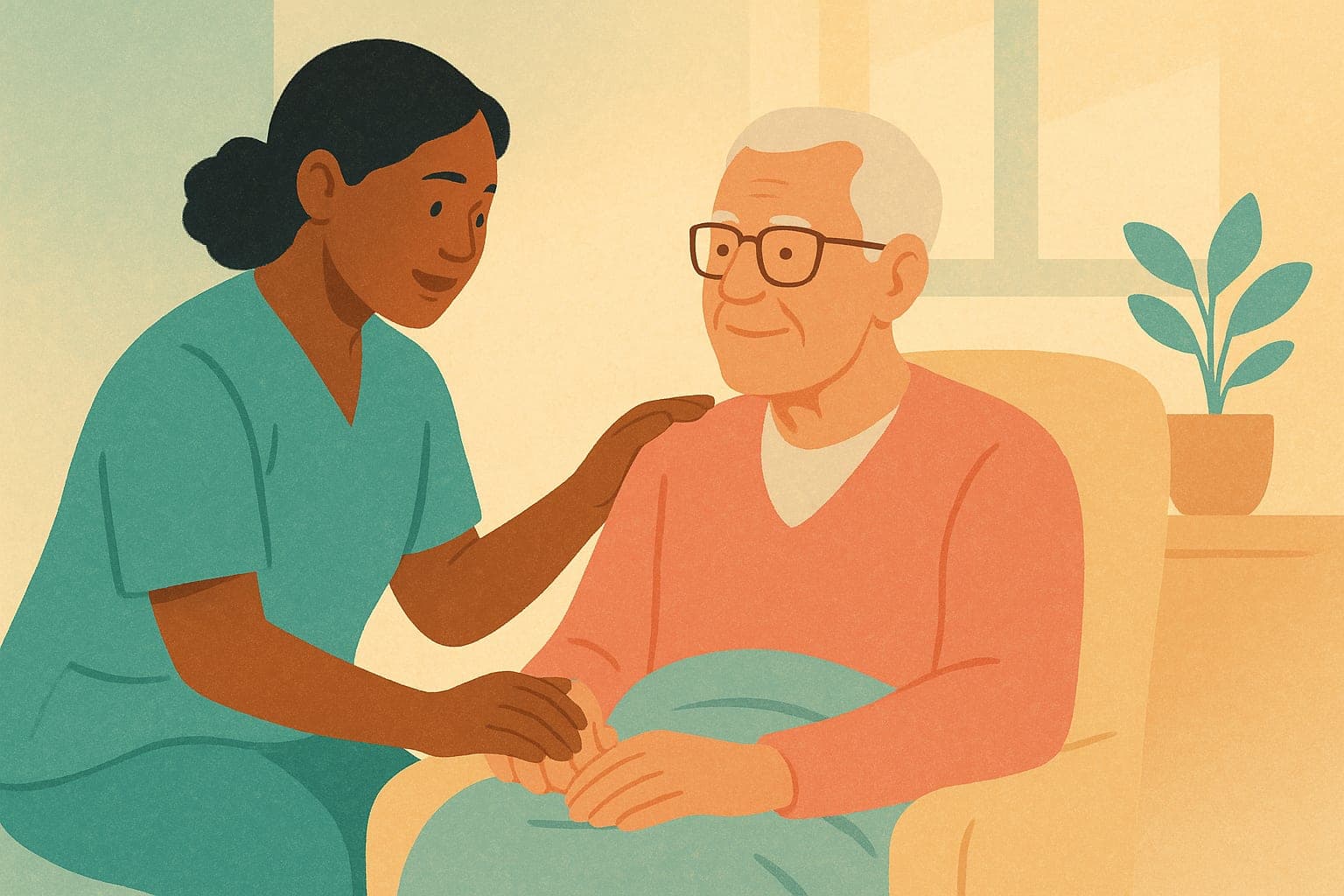
To prevent a hospital readmission, families should manage medications carefully, schedule a follow-up visit within 7 to 14 days of discharge, set up home health if the doctor orders it, and learn the warning signs to catch problems early. About 1 in 5 Medicare patients returns within 30 days, and many of these trips are preventable.
Key points
- About 1 in 5 Medicare patients returns to the hospital within 30 days, and many of these trips can be prevented with good planning at home.
- Focus on four things: careful medication management, a follow-up visit within 7 to 14 days, home health if the doctor orders it, and catching warning signs early.
- Medicare fully covers home health care when you are homebound and need skilled care, and you pay nothing for covered visits.
- Learn the red flags. Call the doctor for swelling, fever, or a bad wound, and call 911 right away for stroke signs, chest pain, or severe trouble breathing.
Why do so many people go back to the hospital after discharge?
Going home from the hospital is a happy moment, but the first few weeks can be risky. About 1 in 5 (nearly 20%) of Medicare patients ends up back in the hospital within 30 days of leaving, according to the Agency for Healthcare Research and Quality. Not all of these returns can be avoided, but many can.
Most readmissions come down to a handful of common problems. When you know what they are, you can watch for them and step in early.
- Medication mix-ups: taking the wrong dose, missing a new prescription, or doubling up on old and new pills. Bad reactions to medicines are the most common problem after leaving the hospital.
- Missed follow-up visits: not seeing the doctor soon enough to check healing and adjust treatment.
- Warning signs caught too late: swelling, fever, or trouble breathing that gets ignored until it becomes an emergency.
- Not enough help at home: no one to pick up prescriptions, cook, help with bathing, or notice when something is wrong.
What should you ask for before leaving the hospital?
The best time to prevent a readmission is before you walk out the door. You have the right to a clear discharge plan, and you can ask the hospital staff to explain everything until it makes sense. Bring a family member or friend to listen and take notes, especially if English is not your first language. You can ask for an interpreter at no cost.
The AHRQ 'IDEAL Discharge Planning' approach tells hospitals to include the patient and family as partners, explain the plan in plain language, and use 'teach-back' (asking you to repeat the instructions in your own words). If no one has done this with you, ask for it.
Before you leave, make sure you have clear answers to these questions:
- What is my diagnosis, and what should recovery look like day by day?
- Which medicines do I take now? Which old ones do I stop?
- When and with whom is my follow-up appointment?
- What warning signs mean I should call the doctor, and what means call 911?
- Who do I call after hours or on the weekend if I have a question?
- Do I qualify for home health, medical equipment, or help at home?
How can families manage medications safely at home?
Medicine problems are one of the biggest causes of a return trip. People often come home with new prescriptions, changed doses, and a bag of old pill bottles that may no longer be safe to take. Sorting this out is one of the most useful things a family caregiver can do.
Start by making one complete, up-to-date list of every medicine, including over-the-counter drugs, vitamins, and supplements. Take that list, or the actual bottles, to every appointment so the doctor can check it. This is called medication reconciliation, and it catches dangerous duplicates and gaps.
- Fill new prescriptions right away, before you run out. In Southern California, many pharmacies deliver or offer same-day pickup, so call ahead if getting out is hard.
- Use a weekly pill organizer and set phone alarms for each dose.
- Ask the pharmacist to review the full list. This is usually free, and pharmacists are excellent at spotting conflicts.
- Never stop or restart a medicine without asking the doctor, even if the person feels fine.
- Keep the list on the refrigerator and in a wallet so it is easy to find in an emergency.
Why is a follow-up appointment within 7 to 14 days so important?
A follow-up visit is not optional paperwork. It is where the doctor checks that healing is on track, reviews all the medicines, and catches small problems before they grow. Research shows that patients who see a primary care provider within 7 days of discharge have fewer readmissions than those who wait longer.
Aim to have the appointment on the calendar before you leave the hospital, scheduled within 7 to 14 days. If the soonest opening is too far out, tell the office it is a hospital follow-up. That often moves you up the list.
A few tips to make the visit count:
- Book it before discharge, and ask the hospital to send your records to the doctor.
- Arrange the ride early. If transportation is a barrier, ask about a Medicare plan transportation benefit or a local senior ride program.
- Bring the medicine list, the discharge papers, and any questions written down.
- If a specialist visit is also ordered (like heart or lung care), schedule that too, and keep both.
How do home health and caregiver support reduce readmissions?
Home health brings skilled care into the house during the fragile weeks after discharge. A nurse or therapist visits to check healing, manage medicines, watch for warning signs, and teach the family what to do. This extra set of trained eyes catches problems early, which is exactly how readmissions are prevented.
Medicare fully covers home health care when you meet the rules, and you pay nothing for covered visits. To qualify, a doctor must certify that you are homebound (it is hard to leave home without help) and that you need skilled nursing or therapy on a part-time basis. Ask for home health to start within 14 days of discharge so coverage lines up.
Home health may include:
- Skilled nursing to check wounds, manage medicines, and monitor your condition.
- Physical, occupational, or speech therapy to rebuild strength and safety.
- A home health aide for help with bathing and daily tasks, along with the skilled care.
- Teaching for family caregivers so you know what to watch and when to call.
What warning signs mean you should call the doctor or 911?
Knowing the red flags, and acting fast, is what keeps a small problem from becoming an emergency room visit. Post every warning sign and phone number where the whole family can see them.
Call the doctor or home health nurse if you notice: new or worse swelling in the legs, feet, or belly; sudden weight gain of a few pounds in a day or two; fever; a wound that is red, warm, or draining; new confusion; less appetite; or feeling short of breath with normal activity. These often signal a problem that can be treated quickly at home or in the office.
Call 911 right away for a true emergency. Do not drive yourself and do not wait to see if it passes:
- Stroke signs: use F.A.S.T. from the CDC. Face drooping, Arm weakness, Speech that is slurred, Time to call 911. Minutes matter with a stroke.
- Chest pain or pressure, or pain spreading to the arm or jaw.
- Severe trouble breathing or gasping for air.
- Fainting, a seizure, or sudden severe weakness.
- Heavy bleeding that will not stop, or lips or fingertips turning blue.
Frequently asked questions
How soon after discharge should a follow-up appointment happen?
Within 7 to 14 days is the goal, and sooner is better for serious conditions. Studies show seeing a primary care provider within about a week of leaving the hospital lowers the chance of going back. Schedule it before you leave the hospital, and tell the office it is a hospital follow-up so they can fit you in.
Does Medicare pay for home health care after a hospital stay?
Yes, when you qualify. A doctor must certify that you are homebound and need part-time skilled nursing or therapy. For covered home health services you pay nothing. To line up coverage, ask for home health to begin within 14 days of your discharge.
What is the single most helpful thing a family caregiver can do?
Sort out the medicines. Make one complete, up-to-date list of every drug, vitamin, and supplement, throw out or set aside anything the doctor stopped, and bring that list to every visit. Medicine mix-ups are the most common problem after discharge, and this one step prevents many of them.
When should I call 911 instead of the doctor?
Call 911 for stroke signs (face drooping, arm weakness, slurred speech), chest pain or pressure, severe trouble breathing, fainting, a seizure, or heavy bleeding. Do not drive the person yourself and do not wait. For milder changes like swelling, fever, or a draining wound, call the doctor or home health nurse the same day.
We need extra help at home but do not qualify for home health. What can we do?
In California, ask your county about In-Home Supportive Services (IHSS), which can pay for help with bathing, meals, and daily tasks for people with limited income. You can also call 211 for local resources, contact your Area Agency on Aging, or look into Meals on Wheels for home-delivered meals during recovery.
What questions should we ask before the person is discharged?
Ask what the diagnosis is, which medicines to take and stop, when and where the follow-up visit is, which warning signs mean call the doctor versus call 911, who to call after hours, and whether the person qualifies for home health or medical equipment. Ask staff to explain until it is clear, and request an interpreter if needed.
Need care at home? We will connect you.
Skilled nursing, therapy, personal care, and recovery help — right at home, from trusted local providers. Tell us what you need and we will take it from there. Free, no obligation.
Get home-health careSources
Related guides
This guide is educational and is not medical advice. In an emergency, call 911.