
Caregiver support
How to Know When Your Aging Parent Needs More Help at Home
Last reviewed July 28, 2026
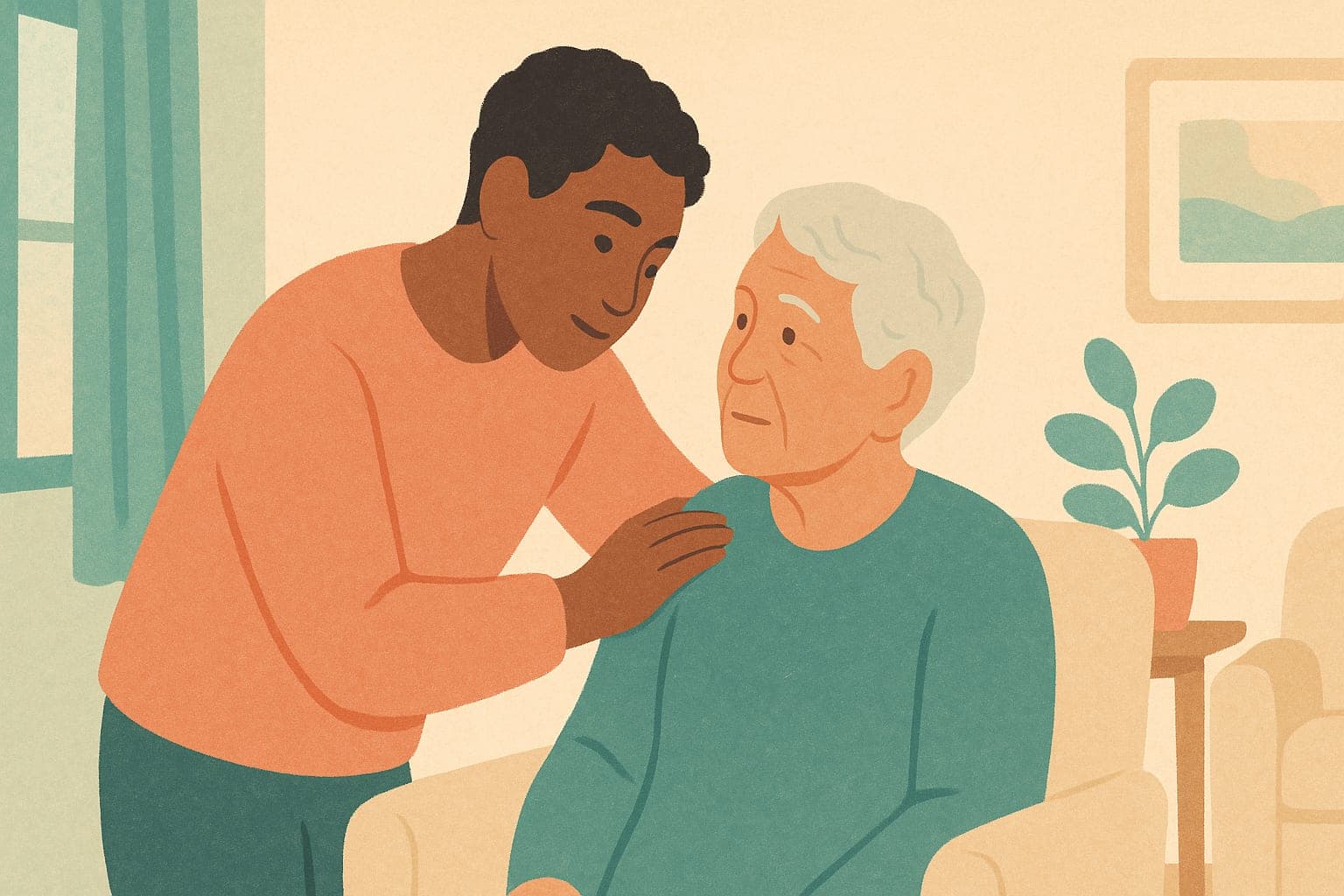
Watch for weight loss, spoiled food, missed medications, unpaid bills, falls or bruises, poor hygiene, memory lapses, missed appointments, mood changes, and unsafe driving. If you notice several, start with a calm talk and a doctor visit, then look into IHSS, Medicare home health, and your local Area Agency on Aging.
Key points
- One warning sign may mean little, but several together, such as weight loss, missed medications, falls, poor hygiene, and memory lapses, mean it is time to act.
- Start with a respectful, private conversation and a doctor visit before making big decisions, and keep your parent in control of their choices.
- IHSS pays for daily in-home help and can often pay a family caregiver, while Medicare home health covers short-term skilled medical care for homebound patients; many families use both.
- Call 911 for a serious fall, stroke signs, or sudden severe confusion, and confirm current program rules with official sources like cdss.ca.gov, medicare.gov, and aging.ca.gov.
What are the warning signs your aging parent needs more help at home?
Trust your gut. If your parent seems less safe than they used to be, that feeling is worth acting on, even before you can explain exactly why.
- Weight loss, an empty fridge, or spoiled and expired food. This can mean they are skipping meals, forgetting to eat, or unable to shop and cook.
- Missed medications. Full pill bottles, mixed-up pills, or refills that were never picked up are red flags.
- Unpaid bills, unopened mail, or new money mistakes. Late notices, strange purchases, or trouble managing simple bills can point to memory or judgment changes.
- New clutter or a messy home when they were once tidy. A sudden drop in housekeeping is a common early clue.
- Falls, or unexplained bruises and injuries. More than 1 in 4 adults age 65 and older fall each year, and many never tell their doctor.
- Poor hygiene. Body odor, dirty clothes, or a parent who has stopped bathing or brushing their hair may not be able to do these tasks safely anymore.
- Memory lapses. Repeating questions, forgetting names or appointments, or getting lost on familiar routes.
- Missed doctor visits or appointments they used to keep.
- Pulling away from friends, church, or hobbies, or new sadness, anxiety, or anger.
- Unsafe driving. New dents on the car, getting lost, or scary rides can put your parent and others at risk.
When is a memory lapse a normal part of aging versus a real problem?
Noticing these signs does not mean your parent has dementia, and this article cannot diagnose anyone. Only a doctor can do that. But these are real reasons to make an appointment and get things checked.
- Memory loss that disrupts daily life, like asking the same question over and over.
- Trouble following a recipe, tracking bills, or solving simple problems.
- Difficulty finishing familiar tasks, such as cooking a usual meal or driving to a known place.
- Confusion about the date, the season, or where they are.
- Trouble reading, judging distance, or seeing color contrast.
- New problems finding the right words in conversation.
- Putting things in odd places and being unable to retrace steps.
- Poor judgment with money or personal care.
- Withdrawing from work, friends, and activities.
- Changes in mood or personality, like new fear, suspicion, or being easily upset.
How do you talk to your parent about needing help without hurting their pride?
If your parent gets defensive, do not force it. Plant the seed and come back to it. If language or culture is a barrier, ask a trusted family member, faith leader, or bilingual staff person to help the conversation feel safe.
One respectful talk can open the door. Many older adults accept help once they feel heard and in control.
- Pick a calm, private time. Not during an argument, a rush, or a big family dinner.
- Lead with love, not a list of failures. Try: "I love you and I want you to stay in your home safely. Can we talk about how things are going?"
- Ask questions and listen. "What feels harder than it used to?" invites them in. Lecturing shuts them down.
- Focus on their goals. Most parents want to stay home. Frame help as the way to keep that, not lose it.
- Offer choices, not orders. "Would you rather I help with the bills, or should we ask someone to come in?" keeps them in control.
- Start small. Agreeing to one thing, like a doctor visit or help with cleaning, is a win. You do not have to solve everything in one talk.
- Include them in every decision. Do not arrange care behind their back unless there is a serious safety emergency.
What are the first steps to get help for an aging parent in Southern California?
Taking even one of these steps this week moves things forward. Small, steady action beats waiting for a crisis.
- See the doctor first. A checkup can find treatable causes of confusion, weakness, or falls, like medication side effects, infections, poor vision, or thyroid problems. The doctor can also refer you to services and order home health if it is needed.
- Call your local Area Agency on Aging. The California Department of Aging oversees these local agencies, which act as a "no wrong door" to find services near you, from meals to caregiver support. Find yours through the California Department of Aging website.
- Look into IHSS (In-Home Supportive Services). This California program pays for a caregiver, who can often be a family member, to help an eligible aging, blind, or disabled person stay safely at home.
- Ask the doctor about Medicare home health if your parent is homebound and needs skilled care like nursing or physical therapy.
- Make a simple safety plan for the home. Remove trip hazards like loose rugs, add grab bars and better lighting, and set up a pill organizer or reminders.
- Gather key papers. Keep a list of medications, doctors, insurance and Medi-Cal or Medicare numbers, and emergency contacts in one place.
How do IHSS, Medicare home health, and other benefits differ?
A rule of thumb: Medicare home health handles short-term medical needs, while IHSS and local aging services handle the day-to-day help with living at home. Many families use more than one at the same time.
Program rules and income or asset limits can change. Always confirm current eligibility with the official source or your county before you count on a benefit.
- IHSS (In-Home Supportive Services): A California and Medi-Cal program. It pays a caregiver to help with everyday personal care and household tasks, such as bathing, dressing, meals, and cleaning. To qualify, your parent generally must live in their own home, be 65 or older, blind, or disabled, and be eligible for Medi-Cal. A county social worker visits to assess needs, and you apply through your county IHSS office.
- Medicare home health: Federal Medicare coverage for people who are homebound and need part-time skilled care, like a nurse or physical, speech, or occupational therapy, ordered by a doctor. It is medical care, not all-day help with chores. For covered home health services, you pay nothing. It does not provide full-time or long-term personal care.
- Medi-Cal: California's Medicaid program. It can cover many health costs for lower-income seniors and is the gateway to IHSS.
- Area Agency on Aging services: Local help such as meal delivery, transportation, senior centers, and caregiver support, coordinated through your regional agency.
When is a fall or memory change an emergency?
Southern California summers can be dangerous. If your parent seems overheated, dizzy, or confused during a heat wave, get them cool, give fluids, and seek medical help.
When it is not an emergency but you are worried, call the doctor's office for advice. It is always okay to ask.
- A fall with a possible broken bone, a head injury, or they cannot get up or are knocked out.
- Signs of a stroke: face drooping, arm weakness, or slurred speech. Act fast, because minutes matter.
- Chest pain, trouble breathing, or sudden severe confusion.
- Wandering and going missing, especially in heat or cold.
- Any sign your parent may harm themselves or cannot stay safe alone right now.
Frequently asked questions
What is the biggest sign my parent needs more help at home?
There is no single sign. The clearest signal is several changes at once, such as weight loss, missed medications, falls, and a messy home in someone who was once tidy. A pattern of decline matters more than any one thing. Trust your gut and start with a doctor visit.
Can a family member get paid to care for a parent in California?
Often yes. Through IHSS (In-Home Supportive Services), an eligible parent can choose their own caregiver, and in many cases that can be a family member, including an adult child. Your parent must qualify for the program, which is tied to Medi-Cal. Contact your county IHSS office to apply and confirm the rules.
Does Medicare pay for help at home?
Medicare covers home health for people who are homebound and need part-time skilled care like nursing or therapy, ordered by a doctor, and you pay nothing for covered services. It does not pay for full-time help or ongoing personal care such as bathing and cleaning. For that kind of daily help, look into IHSS or local aging services.
My parent refuses help. What can I do?
Go slow. Pick a calm moment, lead with love, and listen instead of lecturing. Offer choices and start with one small step, like a checkup. Focus on their goal of staying home. If they refuse but are safe, plant the idea and revisit it. Step in firmly only if there is a serious safety emergency.
How do I find local help for an aging parent in Southern California?
Start with your local Area Agency on Aging, coordinated by the California Department of Aging. These agencies connect families to meals, transportation, caregiver support, and more. You can also ask your parent's doctor for referrals and look into IHSS through your county.
Should memory changes always go to a doctor?
If memory or thinking changes disrupt daily life or safety, yes. Occasional forgetfulness can be normal aging, but repeating questions, getting lost, trouble managing money, or personality changes deserve a checkup. Some causes are treatable. Only a doctor can tell whether it is normal aging or something more, so it is worth asking.
Need care at home? We will connect you.
Skilled nursing, therapy, personal care, and recovery help — right at home, from trusted local providers. Tell us what you need and we will take it from there. Free, no obligation.
Get home-health careSources
- Alzheimer's Association — 10 Early Signs and Symptoms of Alzheimer's & Dementia
- CDC — Facts About Falls (Older Adult Fall Prevention)
- California Department of Social Services — In-Home Supportive Services (IHSS)
- Medicare.gov — Home Health Services Coverage
- California Department of Aging — Area Agencies on Aging
Related guides
This guide is educational and is not medical advice. In an emergency, call 911.